Name: Polypropylene. 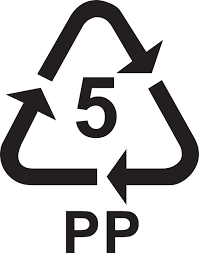
Polypropylene (PP) is a thermoplastic polymer which is sometimes referred to as polypropene. Its resistance to acids, bases, and a plethora of chemical solvents makes it an ideal candidate for use in a large range of applications. It is also extremely durable. The most common Polypropylene manufacturing methods include extrusion and injection molding. These techniques can convert PP into a wide range of useful products used for commercial and industrial purposes.
One of the most versatile aspects of manufacturing with PP is the ability to mix additives in during the manufacturing process which give the material specific and special properties. For example, certain types of additives can be introduced that give Polypropylene dust and dirt resistant properties or make paint and ink easier to adhere to the material.
Polypropylene is occasionally recycled. PP is strong and can usually withstand higher temperatures. It's used to make lunch boxes, margarine containers, yogurt pots, syrup bottles, prescription bottles. Plastic bottle caps are often made from PP.
Polypropylene is:
A excellent chemical resistance, a high melting point, hard, but flexible, waxy surface, translucent and strong.
Uses:
Most bottles tops, ketchup and syrup bottles, yogurt and some margarine containers, potato crips bags, biscuit wrappers, crates, plants pots, drinking straws, hinged lunch boxes, refrigerated containers, fabric/ carpet fibres heavy duty bags/tarpaulins.


No hay comentarios:
Publicar un comentario